
The Nature of Luck in Gambling
Luck is often viewed as an elusive force capable of dramatically impacting outcomes in gambling. In games heavily reliant on chance, such as slot machines and roulette, players frequently attribute their wins and losses to luck. The idea of experiencing a lucky streak can provide hope to gamblers, suggesting that fortunes can change in an instant. Moreover, many players are drawn to anonymous casinos where the thrill of unpredictability adds to the excitement of the game. However, while luck is undeniably a factor, it is crucial to acknowledge that it operates alongside other elements that significantly affect the gambling experience.
To understand luck’s role, one must consider how randomness interacts with various skills and strategies. For instance, in poker, a game where skill is paramount, luck is only a fraction of what determines success. Players who excel in reading their opponents and making strategic decisions often find that their skills can overshadow luck’s influence. Conversely, in games solely based on chance, players may feel that their success hinges entirely on luck, which might not accurately reflect the broader reality of their gambling outcomes.
Additionally, luck is a subjective concept that varies from player to player. Each individual’s experiences shape their interpretation of luck, leading some to attribute their wins to skill while blaming losses on bad luck. This cognitive bias can blind players to the importance of strategy and discipline in gambling, resulting in misguided beliefs about their performance. Thus, while luck can play a role, relying solely on it can mislead players about the true nature of their gambling success.
The Role of Skill and Strategy
While luck can influence short-term outcomes, skill and strategy are pivotal for achieving long-term success in gambling. Take blackjack, for example. Players who grasp basic strategy can effectively reduce the house edge, thereby increasing their chances of winning. By making informed decisions based on their understanding of the game, these players demonstrate that skill can mitigate luck’s impact and lead to more favorable results over time.
Bankroll management is another critical component of successful gambling. Gamblers who establish spending limits and stick to budgets typically fare better than those who rely solely on luck. By controlling their finances and knowing when to step away, players can protect themselves from losses that might otherwise feel dictated by fate. This disciplined approach not only promotes responsible gambling but also enhances the likelihood of overall success, regardless of the role luck plays in individual games.

Furthermore, strategic thinking extends beyond individual games to encompass broader analytical skills. Players who analyze patterns, trends, and statistical probabilities can make more astute decisions about where to invest their time and money. Games with higher potential returns often require more skill to navigate successfully, whereas those dominated by luck may not provide the same long-term profitability. Striking a balance between skill, strategy, and luck is essential for navigating the gambling landscape effectively.
The Psychological Impact of Luck
Luck carries significant psychological implications for gamblers, profoundly influencing their attitudes and behaviors. The “gambler’s fallacy” exemplifies how the perception of luck can cloud judgment. Players may mistakenly believe that past outcomes affect future results; for instance, after a series of losses, a player might feel they are due for a win and increase their bets, which can lead to even more significant losses. This flawed reasoning highlights how luck can distort decision-making.
On the flip side, a lucky streak can create a powerful feedback loop, encouraging players to gamble more. This emotional rollercoaster can lead to irrational choices as players chase the thrill of luck rather than adhering to logical strategies. Recognizing these psychological drivers is essential for gamblers seeking to maintain control over their activities and avoid the pitfalls of impulsive betting.
Moreover, the social context of gambling can amplify perceptions of luck’s influence. The excitement of a casino environment or the camaraderie among friends during a poker game can enhance the emotional stakes and reinforce beliefs in luck’s power. However, understanding that luck is just one element of gambling encourages players to adopt a more rational approach, focusing on strategy and responsible gambling practices. This shift in perspective can lead to more sustainable and enjoyable gambling experiences.
The Myths Surrounding Luck and Gambling
Numerous myths about luck in gambling can mislead players and skew their perceptions of success. A prevalent myth is that certain individuals are “born lucky,” fostering the belief that luck is an unchangeable trait. This misconception can deter newcomers from engaging fully with gambling, as they may feel they lack the inherent luck required to succeed. In reality, luck is a random and unpredictable element that can affect anyone, regardless of their perceived luckiness.
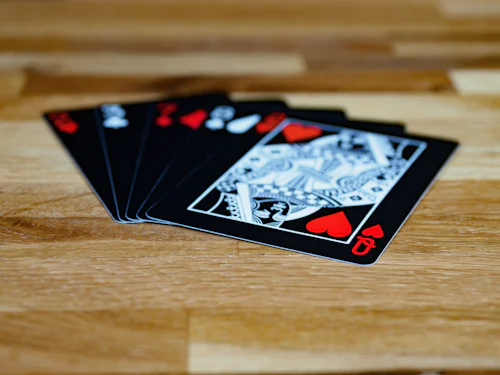
Another common fallacy is the belief in rituals or superstitions that purportedly influence luck. Many gamblers cling to lucky charms or engage in specific behaviors before placing bets, hoping to attract good fortune. While these practices may offer psychological comfort, they do not actually impact the outcomes of games. Understanding that luck cannot be manipulated through external factors is crucial for developing a mindset focused on skill and strategic play.
Furthermore, the notion that one can consistently “beat the house” through luck is misleading. While occasional big wins may occur, successful gambling generally requires a comprehensive understanding of odds, payouts, and game mechanics. Relying on luck alone can result in disappointment and financial setbacks, emphasizing the importance of a balanced approach that acknowledges both luck and skill in gambling endeavors.
Understanding Gambling Resources and Support
For those seeking to enhance their gambling experience, various resources can offer valuable insights and support. Educational materials that cover game strategies, odds, and bankroll management empower players to make informed decisions, reducing reliance on luck. These resources help establish a solid foundation for viewing gambling as a skill-based activity rather than a mere chance-driven endeavor.
Additionally, support groups and online forums provide platforms for sharing experiences and discussing strategies with fellow gamblers. Engaging with a community of like-minded individuals fosters accountability and encourages players to refine their skills. Learning from the successes and failures of others can illuminate the complex interplay between luck and skill, guiding players toward more informed gambling practices.
Ultimately, understanding one’s relationship with gambling is essential for maintaining a healthy approach. Resources emphasizing responsible gambling practices ensure that players can enjoy the excitement of gaming without falling prey to the dangers of over-reliance on luck. By equipping themselves with knowledge and community support, players can cultivate a balanced perspective, leading to more fulfilling and enjoyable gambling experiences.