
The Golden Age of Casino Gaming
The roots of modern casino gaming can be traced back to the glamorous environments of the early 20th century. During this time, casinos emerged as opulent establishments primarily catering to the wealthy elite. Iconic venues like Monte Carlo in Monaco and the early casinos of Las Vegas played pivotal roles in shaping the casino landscape, while various betting sites began to offer convenient options for players, ensuring the glitz and glamour of these establishments attracted tourists and gamblers alike, setting the stage for the evolution of casino gaming.
This golden era saw the introduction of classic games such as poker and blackjack, which became staples in casino offerings. The allure of these games, combined with the social atmosphere of gambling halls, created a vibrant culture that thrived on competition and chance. Players would often dress in their finest attire, underscoring the sophisticated vibe of the time. Such an environment fostered a sense of exclusivity, making casino gaming synonymous with luxury and leisure.
Moreover, the legalization of gambling in various states, particularly in the United States, spurred the growth of casinos during this period. As states began to embrace gambling as a means of economic development, more establishments opened their doors, leading to the proliferation of casino gaming. The golden age laid the groundwork for future innovations in gaming, influencing styles, practices, and regulations that would continue to evolve in the ensuing decades.
The Rise of Technological Advances
The latter half of the 20th century marked a significant transition in casino gaming due to the advent of technology. The introduction of slot machines revolutionized the industry, offering a more accessible form of gambling for casual players. These machines, equipped with colorful reels and enticing themes, captivated audiences and quickly became a favorite among gamblers. Their ease of play and instant gratification reshaped the gaming dynamic, attracting a broader demographic to casinos.
As technology progressed, so did the complexity and variety of gaming options. The emergence of electronic gaming machines in the 1980s brought forth video poker and other interactive games that provided players with new experiences. These advancements not only modernized the industry but also increased revenue for casinos, prompting further investment in technology. Casinos began to incorporate high-tech features into their operations, enhancing the overall gaming experience.

The rise of online gaming in the late 1990s represented another significant technological leap, allowing players to enjoy their favorite casino games from the comfort of their homes. Virtual platforms offered convenience and expanded options, making gambling accessible to a global audience. This shift began a new chapter in the evolving narrative of casino gaming, merging traditional practices with the emerging digital age.
The Influence of Pop Culture and Media
Throughout the decades, pop culture and media have had a profound impact on casino gaming. Films like “Casino” and “Ocean’s Eleven” not only entertained audiences but also romanticized the casino experience. These portrayals often glamorized gambling and contributed to the allure of casinos, drawing in many curious players eager to experience the thrill depicted on screen. The intersection of film and gambling created a cultural phenomenon that resonated with a wide audience.
The connection between casinos and popular music also cannot be overlooked. The rise of casinos as entertainment hubs led to performances from legendary musicians and bands, further integrating gaming with the entertainment industry. Concerts held inside or near casinos became a staple, contributing to the overall appeal of these venues. Patrons could enjoy a night of gambling followed by live entertainment, enhancing the multifaceted experience offered by casinos.
Moreover, advertising and marketing strategies evolved over the years, utilizing celebrity endorsements and social media to attract younger audiences. By engaging with popular culture, casinos expanded their reach and adapted to changing demographics. This influence continues today, as gaming establishments leverage current trends and personalities to connect with potential customers, ensuring that casino gaming remains relevant in a fast-paced world.
The Emergence of Responsible Gaming Practices
As casino gaming expanded, so did the awareness of responsible gaming practices. With an increasing number of gamblers participating in games, concerns regarding addiction and gambling-related issues began to surface. In response, the casino industry started to implement measures to promote responsible gaming, creating awareness campaigns and providing resources for players to seek help. This shift marked a crucial evolution in the ethical responsibility of casinos.
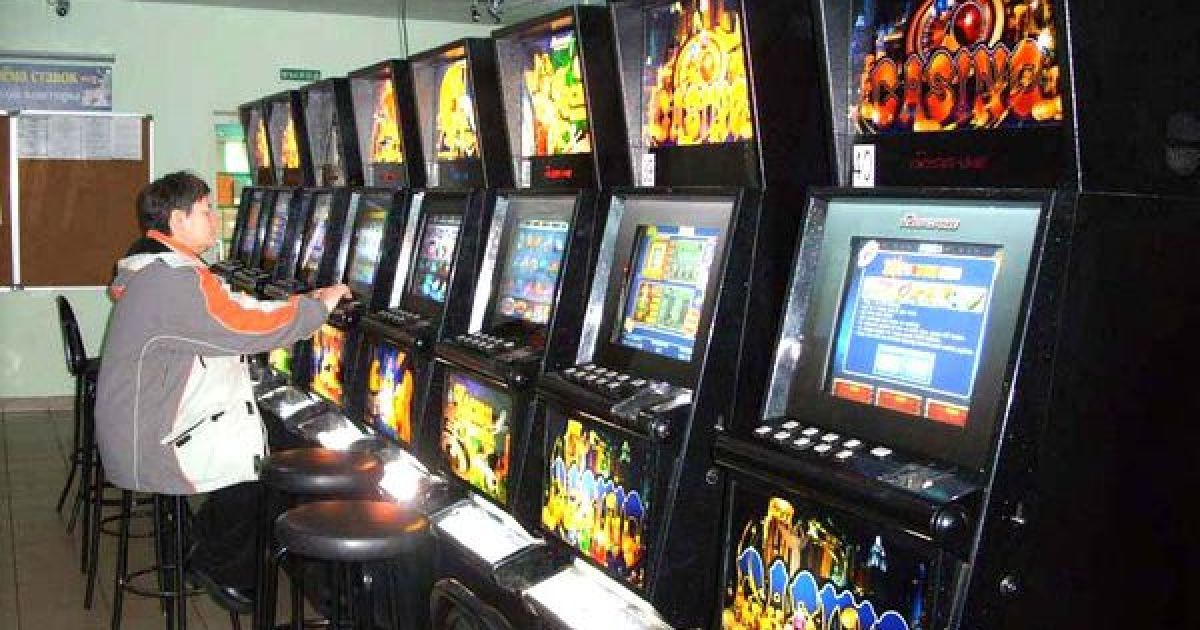
Many casinos now have dedicated programs that aim to educate players about the risks associated with gambling. These initiatives include self-exclusion options, where players can voluntarily ban themselves from entering casinos, as well as counseling resources. The focus on responsible gaming reflects a broader understanding of the potential consequences of gambling, showcasing a commitment to player well-being and safety.
Moreover, regulatory bodies have emerged to oversee gambling practices, ensuring that casinos adhere to responsible gaming standards. These regulations have led to greater transparency and accountability within the industry, fostering a positive image for casinos. By prioritizing responsible gaming, the industry not only protects players but also works to enhance its reputation, establishing itself as a responsible and safe entertainment choice.
The Future of Casino Gaming
As we look towards the future, the evolution of casino gaming appears to be heading into an exciting era characterized by further technological advancements. Innovations such as virtual reality and augmented reality are set to transform the way players engage with their favorite games. These technologies have the potential to create immersive experiences that mimic the thrill of being in a physical casino, while also allowing players to enjoy gaming in a new and interactive way.
The ongoing integration of artificial intelligence (AI) into casino operations is another significant trend. AI can enhance player experiences by personalizing offers and recommendations based on individual gaming behaviors. Additionally, AI-driven analytics can help casinos optimize their operations, improve customer service, and better understand player preferences. This data-driven approach promises to elevate the gaming experience to unprecedented levels.
Moreover, the rise of cryptocurrency in the gaming sector has opened up new doors for transactions and player engagement. As digital currencies become more mainstream, casinos are exploring ways to incorporate them into their payment systems. This evolution not only caters to tech-savvy players but also enhances the security and anonymity of transactions, attracting a new generation of gamblers. The future of casino gaming is poised for remarkable growth and innovation, guided by technology and a commitment to enhancing the player experience.